
Air Freight Consolidation Services for Small Businesses in Saudi Arabia
November 7, 2025
In this industrious age marked by the ascendancy of steam engines, the ceaseless hum of mechanical invention, and the wondrous proliferation of aerial conveyance, the great trading ports of the Kingdom of Saudi Arabia have firmly established themselves as pivotal gateways of global commerce. Long known for connecting East and West across the ancient caravan routes of the Peninsula, these ports now accompanied by bustling aerodromes filled with roaring propellers and iron birds serve as vibrant conduits for merchants, manufacturers, and shopkeepers whose goods must travel swiftly to distant markets.
Where once caravans bearing spices, pearls, and brass lanterns traversed the dunes, today crates of refined textiles, mechanical spare parts, fine household articles, and delicate scientific goods await passage aboard airborne vessels. For the modern small business proprietor, whether exporting modest consignments of crafted wares or importing necessary stock to meet the expectations of discerning customers, the need for both speed and economy has never been greater. And it is here that the practice of air freight consolidation the art of uniting multiple small consignments into a single, efficiently dispatched cargo plays a vital and transformative role.
As commerce grows more intricate and competition more pressing, small businesses in the Kingdom have discovered in consolidation services a means to reach international markets with precision, economy, and confidence. Instead of bearing the full cost of chartering space aboard an aircraft, merchants may now share the same airborne journey, each crate carefully documented, secured, and transported with the attentiveness once reserved for the most delicate of scientific instruments.
Why Saudi Arabia Has Emerged as a Leader in Air Freight Consolidation
1. A Fortunate Position at the Crossroads of Continental Trade
Situated upon the mighty trade arteries that bind Asia to Africa and Europe, the Kingdom commands a position of unrivaled influence. Airborne vessels traveling between Eastern industries, African ports, and the capitals of Europe routinely traverse the Arabian Peninsula, and many find their natural resting point at the Kingdom’s aerodromes Riyadh, Jeddah, and Dammam where fuel, supplies, and onward connections are readily at hand.
For small businesses operating within Saudi Arabia, this privileged location allows their goods whether bound for the factories of Manchester, the workshops of Mumbai, or the markets of Cairo to travel along well-established aerial corridors. Consolidation hubs gather small parcels from merchants across the nation and swiftly direct them into these global routes, ensuring both speed and reliability.
2. Modern Aerodromes Equipped for Sensitive and Varied Cargo
Saudi Arabia’s principal air gateways, whose runways welcome aerial machines from every corner of the globe, have invested greatly in expanded cargo terminals, mechanized lifting apparatus, chilled storage chambers, and secure consolidation warehouses. These facilities are designed not merely to house goods but to safeguard them.
Small consignments be they leather goods from local artisans, precision-tooled parts from machine shops, or fragile glassware destined for foreign boutiques are meticulously handled. Skilled loaders and warehouse keepers are trained in the careful placement of parcels within consolidation pallets, ensuring that lighter goods are shielded from heavier ones and that moisture, heat, or dust do not compromise their integrity.
3. Free Zones and Simplified Customs Ensuring Swift Movement of Goods
Across the Kingdom’s bustling logistics zones, modern free-trade precincts have been established to expedite cargo movement. These regions offer simplified procedures for small consignments, bonded storage for goods awaiting consolidation, and seamless transition between land transport and air freight.
For the small merchant whose margins are modest and whose schedule must be disciplined, such efficiency proves invaluable. Every hour saved in clearance and dispatch is an hour reclaimed in the merchant’s competition for market share.
4. Skilled Logistics Planners and Packing Specialists Supporting Small Traders
The Kingdom has drawn to its shores a corps of experienced packers, handlers, and logistics planners. These individuals fashion reinforced crates, padded boxes, and moisture-resistant casings suited for long-distance aerial travel. Their expert hands prepare consignments for the heightened pressures and vibrations of flight.
Moreover, freight planners assess the size, weight, fragility, and destination of each parcel to determine its ideal position within consolidated air cargo. Their calculations ensure not only safety but optimal cost savings for small businesses that rely on every dinar of efficiency.
How Air Freight Consolidation Services Operate in Saudi Arabia
1. Preliminary Inspection and Assessment of Merchant Goods
Before the goods of small businesses are inducted into the consolidation process, freight agents conduct careful inspections. They evaluate dimensions, packaging quality, weight, and vulnerability to heat or impact. This preliminary scrutiny ensures that each item receives an appropriate place within the consolidated load: fragile artifacts cushioned and elevated, heavier crates tightly secured, and heat-sensitive goods placed in controlled compartments.
2. Purpose-Built Packing and Environmental Protection
Given the varying nature of goods carried by small businesses from finely patterned ceramics to delicate electrical devices, packaging is of utmost importance. Skilled handlers construct custom boxes fortified with padded interiors, protective wrappings of waxed paper, and shock-absorbing material suited to aerial vibration.
For the most fragile goods such as laboratory glassware, artistic ornaments, or electronics, double-boxing and additional insulation are frequently employed to guard against the rapid temperature changes encountered at altitude.
3. Gentle Handling Through Mechanized Lifts and Guided Loading
Modern hoisting machines, padded trolleys, and conveyor belts assist handlers in elevating or moving packages without jarring them. The loaders are trained to maintain steady movements, avoiding sudden shifts or rough impacts that might disturb the arrangement of delicate items within the larger consolidated pallet.
Each crate is placed with a craftsman’s discernment, ensuring equilibrium and integrity throughout the journey.
4. Secured Placement Aboard the Aircraft
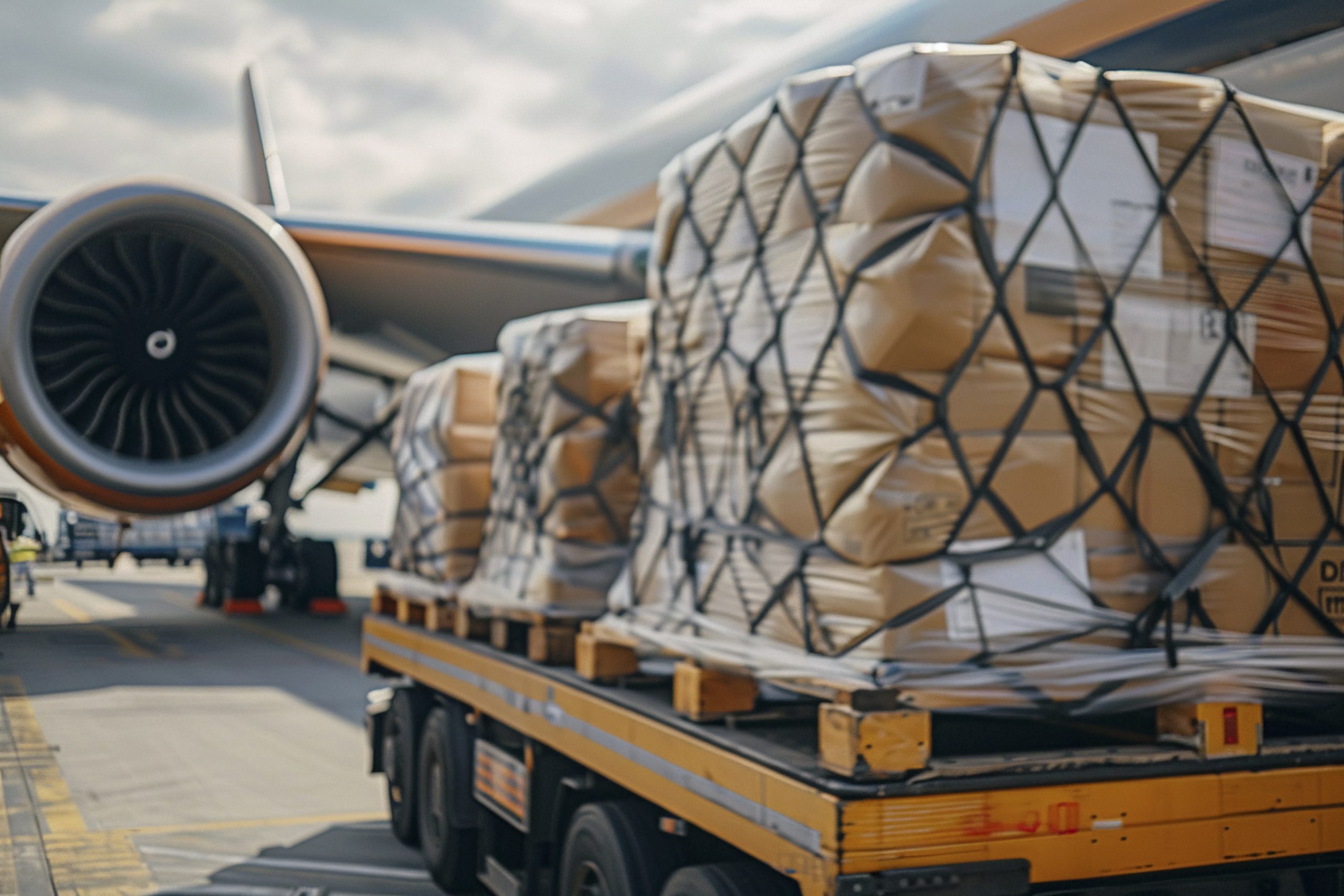
During loading, the consolidated cargo is arranged according to strict calculations of weight distribution and ease of unloading. Parcels belonging to small businesses are secured within shared units, often on specialized pallets wrapped tightly with protective film and reinforced nets.
Temperature-controlled sections safeguard perishable or sensitive items, and every crate is labeled with meticulous attention to routing accuracy ensuring that no parcel is misdirected during transit.
5. Comprehensive Documentation and Streamlined Customs Processing
Freight agents prepare airway bills, packing declarations, and commercial documents on behalf of merchants. Small business owners are spared the complications of deciphering international paperwork, a task undertaken by seasoned specialists who ensure compliance with all relevant regulations.
Saudi customs authorities have introduced modernized administrative procedures that accelerate the clearance of consolidated loads, reducing the risk of delay and allowing goods to complete their journey without excess exposure to environmental conditions.
6. Final Delivery and Distribution at Destination
Upon arrival at foreign aerodromes, consolidation partners unpack, sort, and forward the goods to their respective importers. Local agents conduct inspections, verify markings, and coordinate onward delivery. Small businesses benefit from the same organized precision typically reserved for large exporters, ensuring that their modest shipments reach distant customers with professional reliability.
Industries and Small Businesses That Rely on Air Freight Consolidation
1. Craft and Artisanal Goods
Local workshops producing handcrafted jewelry, ceramics, textiles, and ornaments depend on consolidation services to reach foreign buyers without the burden of costly full-cargo arrangements. A single crate of artisanal wares may travel alongside dozens of other merchants’ goods, all bound for markets in Europe, Asia, or the Americas.
2. Industrial Spare Parts and Mechanical Components
Small-scale manufacturers and mechanical retailers often ship spare parts required urgently by foreign factories or regional distributors. The speed of air freight is essential, and consolidation ensures it is financially accessible.
3. Electronics and Technical Devices
From sensors and meters to consumer gadgets and educational kits, many small traders in the Kingdom import and export electronics that require careful packing and prompt transit.
4. Fashion, Cosmetics, and Lifestyle Products
Boutiques and online merchants frequently dispatch small but frequent consignments of apparel, perfume, skincare, and related articles. Consolidation allows them to maintain inventory turnover without excessive freight expense.
Safety, Compliance, and Quality Control in Consolidated Air Freight
Given the diversity and delicate nature of goods handled for small businesses, strict procedures govern packing, storage, documentation, and loading. Freight specialists prepare risk assessments identifying hazards such as internal pressure shifts, temperature sensitivity, or fragility of materials.
Aviation authorities enforce stringent standards requiring that all handlers, inspectors, and operators undergo training. Every parcel is weighed, scanned, and inspected, ensuring that consolidated cargo remains safe and compliant throughout its journey across borders and skies.
Innovations Transforming Air Freight for Small Businesses
Though the world’s enterprises now stand on the threshold of ever more remarkable inventions, several current advancements already enhance the reliability of air freight consolidation in Saudi Arabia:
- Improved packing materials safeguard fragile and temperature-sensitive goods.
- Advanced palletization and vibration-damping designs reduce movement during flight.
- Digital tracking systems allow merchants to trace their goods across continents.
- Telegraphic (and modern electronic) communication between hubs speeds coordination for departure, arrival, and customs readiness.
- Automated warehousing and sorting accelerate the consolidation timeline.
These innovations place small businesses on a competitive footing once reserved exclusively for major exporters.
Challenges of Air Freight and How the Kingdom Addresses Them
Despite the great progress made, the movement of goods by air poses certain challenges. Temperature fluctuations at altitude, turbulence, limited storage capacity, and tight delivery schedules are all notable obstacles.
Yet the Kingdom’s logistics authorities and industry partners have taken great care to overcome these difficulties through:
- Shaded and climate-controlled warehouses
- Improved runway infrastructure
- Rapid-processing customs systems
- Reinforced packing standards
- Meticulous timing and coordination between ground and flight crews
Together, these measures ensure the safe and expedient passage of cargo for even the smallest merchant.
The Role of Freight Consultants and Trade Advisers
Air freight consolidation, while immensely beneficial, can be complex for the uninitiated. Many Saudi merchants now rely on trade advisers versed in logistics, compliance, international routing, and packaging science. These consultants:
- Recommend optimal flight schedules
- Advise on cost-saving consolidation windows
- Assist with documentation and customs requirements
- Ensure fragile goods receive proper packing treatment
- Clarify each step of the shipment lifecycle
Their knowledge spares small businesses the risk of costly damage, delay, or misrouting.
Conclusion: Saudi Arabia’s Ascendant Future in Airborne Commerce
As global trade accelerates and small enterprises seek wider markets, air freight consolidation stands as one of the most powerful tools available to them combining economy, reliability, and swiftness.
With its commanding position at the crossroads of continents, its modern aerodromes fitted with state-of-the-art cargo facilities, its corps of skilled handlers and advisers, and its forward-looking administrative practices, Saudi Arabia is poised to continue its rise as a principal hub for consolidated airborne trade.
For the small business proprietor whether dispatching finely crafted goods to Europe, importing specialized equipment from Asia, or supplying regional partners across the Middle East the Kingdom offers an unparalleled logistics ecosystem. Under its watchful and industrious spirit, goods traverse the skies with a certainty befitting this new age of mechanical marvels, connecting merchants to the world with renewed opportunity and promise.