
Heavy Haulage and Oversized Cargo Logistics in the GCC Energy Sector
August 25, 2025
Introduction
The Gulf Cooperation Council (GCC) region comprising Saudi Arabia, the UAE, Kuwait, Qatar, Bahrain, and Oman is home to some of the world’s most ambitious energy projects. From oil and gas refineries to renewable energy parks, these developments require the transport of massive equipment such as turbines, generators, drilling rigs, and prefabricated plant modules.
Transporting these oversized, high-value assets is a unique challenge one that demands specialized heavy haulage logistics capabilities. In the GCC, where infrastructure, regulations, and climate conditions vary significantly across borders, expertise in oversized cargo transport for the energy sector is essential.
This guide explores the complexities of heavy haulage logistics in the GCC energy industry, the challenges faced, and how integrated solutions can ensure timely, safe, and compliant delivery.
Understanding Heavy Haulage in the GCC Energy Sector
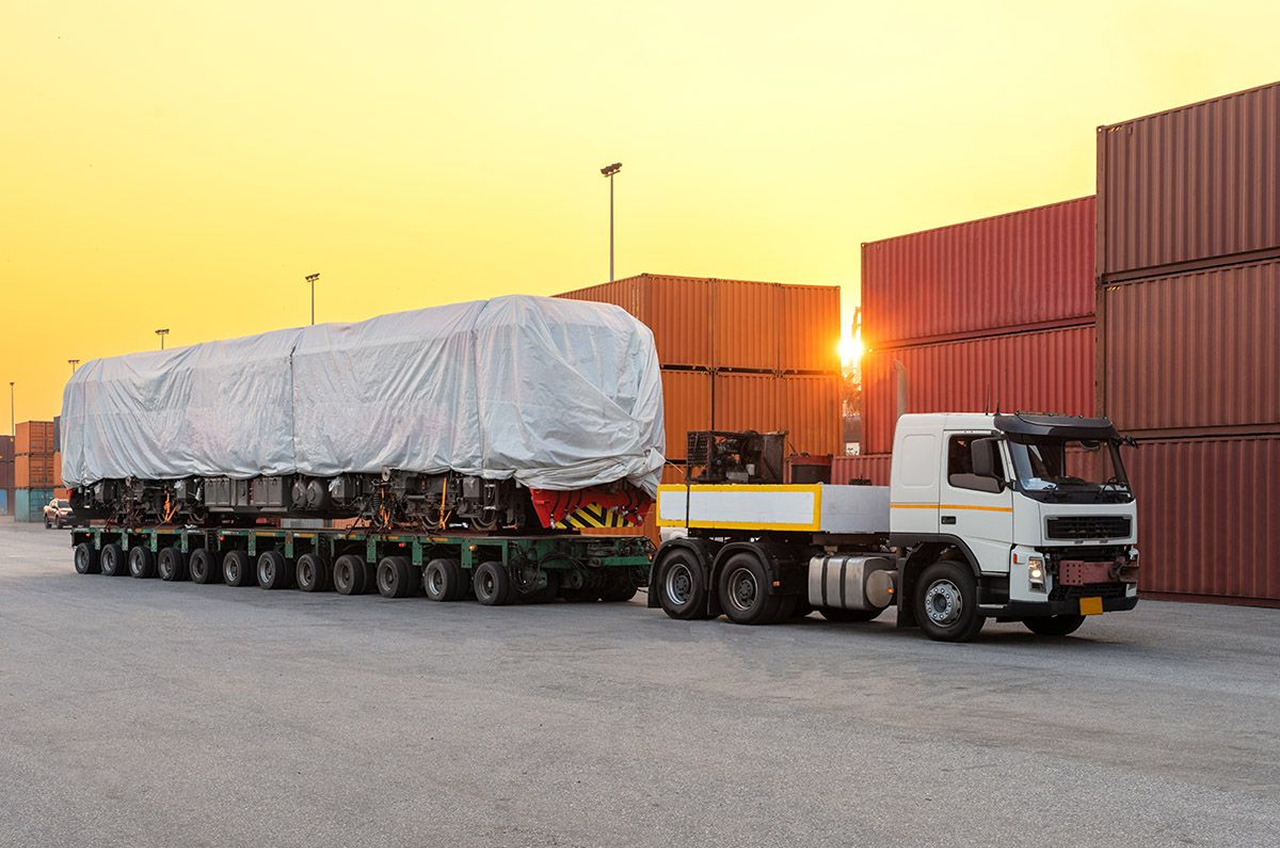
Heavy haulage refers to the transportation of cargo that exceeds standard legal limits for weight and dimensions, often requiring specialized trailers, lifting equipment, and route planning. In the energy sector, this includes:
- Wind turbine blades and towers for renewable projects.
- Transformers and substations for power generation.
- Oil and gas drilling rigs and associated modules.
- Industrial compressors and boilers.
These movements often involve multi-modal transport combining road, sea, and sometimes rail to navigate both inland and cross-border routes.
Key Challenges in Heavy Haulage Logistics for Energy Projects
1. Regulatory Approvals and Permits
Each GCC country has specific rules governing maximum weight, axle loads, and cargo dimensions. Moving oversized cargo requires obtaining special heavy haulage permits, escort vehicles, and sometimes police clearance.
2. Infrastructure Constraints
Road width, bridge capacities, and port handling facilities vary across the region. Route surveys are critical to ensure safe passage.
3. Cross-Border Coordination
Many energy projects span multiple countries, meaning customs clearance for heavy haulage cargo must be carefully managed to avoid border delays.
4. Weather Conditions
Extreme heat, sandstorms, and seasonal rain can disrupt schedules. Equipment and cargo must be protected against environmental damage.
5. Safety and Risk Management
Given the value and complexity of these assets, specialized lifting and securing procedures are essential to prevent accidents and financial loss.
Best Practices for Heavy Haulage in the GCC Energy Sector
1. Detailed Route Planning
A route survey ensures that all road segments, bridges, and turns can accommodate the oversized load. Advanced simulations and 3D modeling can identify potential hazards.
2. Compliance with Local Regulations
Understanding and meeting each country’s heavy haulage requirements is crucial. This includes vehicle configurations, driver certifications, and permit validity periods.
3. Use of Specialized Equipment
Self-propelled modular transporters (SPMTs), hydraulic trailers, and cranes are commonly used for oversized cargo handling.
4. Integrated Customs Clearance Solutions
Partnering with a logistics provider who can manage customs clearance for heavy cargo reduces the risk of delays when crossing GCC borders.
5. Safety First Approach
Safety officers should supervise all loading, transport, and unloading stages, supported by risk assessments and emergency contingency plans.
Al Barrak Group’s Expertise in Heavy Haulage for Energy Projects
At Al Barrak Group, we bring decades of experience in heavy haulage logistics for the GCC energy sector, offering:
- Turnkey Project Logistics Management: From initial surveys to final delivery.
- Multi-modal Transport Solutions: Coordinating road, sea, and air freight for oversized cargo.
- Permit and Escort Management: Handling all government requirements and safety escorts.
- Customs Brokerage: Seamless clearance for cross-border energy project cargo.
- Specialized Equipment: Fleet of heavy-duty trailers, cranes, and lifting systems.
Case Study: Oil Refinery Expansion in Saudi Arabia
A leading oil and gas contractor needed to transport several oversized distillation columns from Jebel Ali Port in the UAE to a refinery site in eastern Saudi Arabia. Challenges included:
- Columns exceeding 50 meters in length.
- Navigating narrow industrial access roads.
- Coordinating clearance at Al Batha border crossing.
Al Barrak Group’s solution:
- Conducted a detailed route survey and infrastructure assessment.
- Arranged special police escorts and overnight transport to minimize traffic disruption.
- Managed customs clearance documentation in advance to avoid delays.
Outcome: The columns were delivered ahead of schedule with zero damage or incidents.
The Role of Technology in Modern Heavy Haulage
In today’s GCC energy sector, technology enhances operational efficiency:
- GPS Tracking for real-time cargo monitoring.
- Load Simulation Software for safe load distribution.
- Digital Customs Documentation to accelerate border clearance.
Future Trends in GCC Heavy Haulage for Energy
- Renewable Energy Growth: Larger wind and solar installations require even more complex transport solutions.
- Smart Infrastructure: Road and port upgrades in Saudi Arabia and the UAE will expand heavy haulage capabilities.
- Sustainability Practices: Adoption of fuel-efficient transport equipment to reduce carbon footprint.