
Heavy Haulage Logistics in GCC Countries: What Businesses Must Know
November 5, 2025
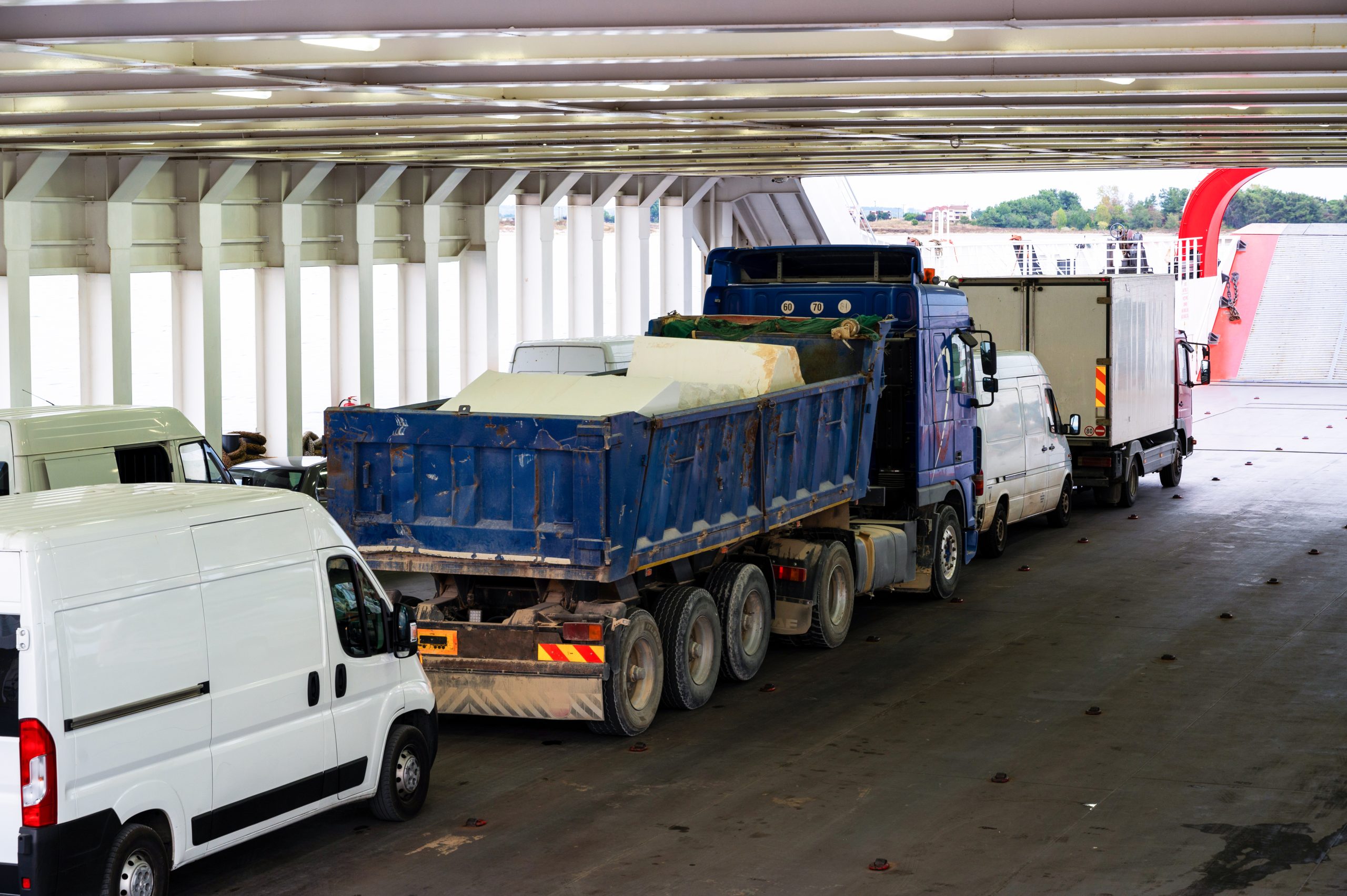
In this industrious age, marked by the thunderous march of mechanical progress, the relentless spread of railways, and the rise of grand engineering enterprises, the lands of the Gulf Cooperation Council (GCC) have emerged as vital corridors for the movement of the world’s most formidable machines. Across these territories stretching from the busy ports of the Arabian Peninsula to the vast inland deserts great engines, towering cranes, industrial boilers, and other mighty contrivances now traverse as part of ambitious infrastructure projects, oilfields, mineral works, and new metropolitan ventures.
Where once caravans carried spices, pearls, and woven cloth across these routes, one now observes the extraordinary procession of oversized loads: steel columns destined for refineries, colossal generators for power stations, tunneling machines for burgeoning metros, and a variety of mechanical apparatus brought forth by the age of industry. This heavy haulage demands a degree of planning, engineering precision, and logistical harmony far exceeding that of ordinary mercantile arrangements such as grain, textiles, or general shipments. The mass, magnitude, and complexity of these machines render their transport an undertaking requiring mastery, foresight, and unwavering discipline.
As the GCC nations continue to erect rail networks, industrial zones, renewable energy fields, ports, and highways, the need for dependable heavy haulage logistics grows in equal measure. Their ambitious development agenda fueled by global investment, technological exchange, and strategic state planning makes these countries natural leaders in orchestrating the safe and efficient motion of colossal machinery across harsh terrains and demanding conditions.
Why the GCC Has Emerged as a Leader in Heavy Haulage Operations
1. A Strategic Position at the Convergence of Continents
Situated at the crossroads between Asia, Africa, and Europe, the GCC occupies a fortuitous position that serves global industry with remarkable efficiency. Heavy machinery shipped from the factories of Europe, the workshops of East Asia, or the foundries of the Indian subcontinent frequently arrives at the Gulf’s deep-water ports before continuing onward to major industrial sites across the region.
This geographical advantage, enhanced by modern shipping lanes and well-maintained trade routes, permits machinery destined for oil and gas plants, renewable energy installations, and mega-construction projects to reach the hinterlands of Saudi Arabia, Oman, Kuwait, Qatar, Bahrain, and the UAE with relative swiftness. Whether these shipments are bound for offshore rig installations, solar fields in the desert, or massive metropolitan expansions, the GCC’s position ensures its role as a pivotal nexus of heavy industrial transport.
2. Ports and Storage Facilities Ready for Colossal Loads
The region’s principal harbors whose quays welcome container vessels, heavy-lift ships, and specialized roll-on/roll-off carriers are equipped with modernized cranes, reinforced berths, and expansive yards tailored for oversized cargo. Unlike ordinary freight, heavy machinery demands sheltered storage, stabilized platforms, and mechanical lifting apparatus capable of bearing extraordinary loads.
In these ports one may witness the raising of turbines by floating cranes, the careful maneuvering of prefabricated building modules, or the unloading of pipelines of immense diameter. Skilled laborers familiar with the temperament of large machinery perform their duties with precision, ensuring that every component arrives free of damage and ready for the next stage of its journey.
3. Free-Trade Zones Supporting Fast and Specialized Transits
The GCC’s free-trade zones permit machinery to pass rapidly between vessels, trucks, and inland transport convoys. Simplified customs procedures, bonded storage, and pre-arranged clearance channels ensure that oversized cargo does not languish in port unnecessarily. For transporting heavy machines, every delay is consequential, for prolonged exposure to sun, heat, salt air, or dust may compromise certain surfaces, lubricants, or mechanical tolerances.
These administrative efficiencies, refined over decades of trade modernization, give the GCC an advantage unmatched in many other regions engaged in industrial-scale logistics.
4. Technical Experts, Surveyors & Engineers Ensuring Safe Passage
The transport of machinery weighing dozens—or even hundreds of tons necessitates meticulous engineering assessments. The GCC’s cadre of logistics surveyors and mechanical specialists play a critical role in route planning, weight distribution studies, bridge-load inspections, and the design of reinforced cradles and custom-built platforms.
Artisans and engineers across the region construct secure housings for sensitive mechanical parts, calculate the required axle load for multi-wheeled trailers, and prepare substantial fastenings to protect cargo during the long journey across highways, mountain passes, or desert tracks. Their expertise ensures proper conveyance and minimizes risk to both machinery and men.
How Heavy Machinery Is Transported Across GCC Countries
1. Preliminary Surveys and Detailed Route Engineering
Before a single wheel turns, comprehensive evaluations are conducted. Engineers measure the dimensions and weight of the machine, identify protruding elements, and analyze its center of gravity. Surveyors map the entire journey from port to site evaluating bridges, road inclines, roundabouts, and potential obstructions.
For certain exceptionally oversized pieces, infrastructure modifications may be required. It is not uncommon for lamp posts, signboards, or barriers to be temporarily removed to allow safe passage. Convoys often travel at night to avoid public disruption and take advantage of cooler temperatures.
2. Specialized Packing, Reinforcement & Weather Protection
Though heavy machinery is rugged in its operational capacity, its ancillary components often include hydraulic lines, electrical controls, sensors, and delicate fittings requiring careful isolation. Custom frames, reinforced metal skids, and weatherproof coverings are employed to shield these parts from dust, humidity, and sun exposure.
For shipments traversing long distances, protective materials such as anti-corrosion coatings, desiccant inserts, and vibration-resistant blocks are commonly used.
3. Mechanical Lifting Using Hydraulic Cranes & Gantry Systems
Loading and unloading heavy machinery is a feat performed with hydraulic cranes, gantry systems, self-propelled modular transporters (SPMTs), and engineered lifting attachments. Padded slings, spreader bars, and synchronized lifting controls ensure that the machine remains stable at all times.
Even the smallest miscalculation could jeopardize equipment worth millions of dollars, so each lift is conducted according to engineered plans with load charts reviewed extensively in advance.
4. Overland Conveyance via Multi-Axle Trailers and SPMTs
The lifeblood of GCC heavy haulage is the specialized road transport fleet: multi-axle low-bed trailers, extendable platforms, and SPMTs capable of distributing extreme loads across numerous wheels. These machines creep across highways at controlled speeds, escorted by police units and pilot vehicles that manage traffic during transit.
Desert crossings, where they occur, demand additional preparation. Tires are adjusted for heat and sand, convoys travel in carefully spaced intervals, and mobile support teams accompany the haul with fuel, water, spare parts, and communications equipment.
5. Clearances, Permits & Administrative Compliance
Heavy machinery requires permits distinct from ordinary cargo. Authorities issue movement schedules, approved routes, speed limitations, and time windows. Compliance with weight restrictions and safety regulations is enforced throughout the journey.
Documentation includes dimension reports, packing lists, risk assessments, engineering certifications, and escort approvals all of which ensure smooth passage across borders and through internal checkpoints.
6. Offloading, Assembly & Commissioning at Destination
Upon arrival at the construction site, refinery, port expansion zone, or industrial complex, machinery is carefully lowered into place using cranes or gantry frames. Technicians inspect every cable, fastener, and hydraulic connection. In some cases, partial assembly is completed on-site, particularly for machines that must be transported in segments.
Industries Dependent on Heavy Haulage Logistics in the GCC
1. Oil & Gas Installations
Refinery columns, drilling equipment, compressors, and giant separators journey across the region to fuel the GCC’s dominant industry. These components are often colossal, requiring multi-axle transportation, engineered lifting, and precise handling.
2. Infrastructure & Mega-Projects
The GCC’s mega-cities, its airports, highways, bridges, metros, and urban developments depend on heavy haulage for steel beams, tunnel-boring machines, bridge girders, precast modules, and massive architectural fixtures.
3. Power & Renewable Energy Sectors
Wind turbine components, solar plant machinery, transmission equipment, and large generators necessitate meticulous transport planning, often across desert roads or mountainous terrain.
4. Mining & Industrial Manufacturing
Quarry equipment, crushers, mineral processing units, and smelting machinery frequently travel across Saudi Arabia and Oman, regions expanding rapidly in mining and industrial output.
Safety and Compliance: The Pillars of Heavy Haulage Excellence
The movement of machinery measured in meters and weighed in tons cannot proceed without adherence to rigorous safety procedures. Heavy haulage companies across the GCC prepare extensive risk assessments covering factors such as load shifting, crane stability, temperature exposure, and route hazards.
Authorities enforce strict controls over:
- Lifting operations
- Load securing and lashing
- Convoy escort procedures
- Driver training and certification
- Night movement restrictions
- Overweight and oversize permits
These rules safeguard both personnel and infrastructure while ensuring machinery arrives in impeccable condition.
Innovations Reshaping Heavy Haulage in the GCC
Even as the region enters an era of unprecedented development, several advancements already strengthen the heavy haulage sector:
- Hydraulic SPMTs enabling the movement of extraordinary weights with millimeter-level precision
- Digital route simulations predicting obstacles and optimizing pathways
- Advanced lashing systems improving safety during sea and road transport
- Telematics & GPS tracking enhancing coordination between ports, convoys, and project sites
- Improved road and port infrastructure specifically designed for massive loads
These innovations reduce delays, improve safety, and ensure predictability throughout the logistics chain.
Challenges of Heavy Haulage in the GCC and How They Are Overcome
The region’s demanding conditions present obstacles: scorching heat, sudden sandstorms, rugged terrain, long inland distances, and heavily regulated border crossings. Yet the GCC’s logistics ecosystem overcomes these challenges through:
- Night transport schedules to avoid heat
- Weather forecasting for safe movement
- Shaded storage yards protecting machinery
- Smooth, reinforced highways designed for industrial cargo
- Precise coordination between traffic police, port authorities, and logistics operators
This comprehensive management ensures that even the most daunting transport missions can be executed reliably.
The Role of Logistics Consultants and Technical Advisers
Businesses frequently enlist consultants who specialize in route engineering, equipment selection, regulatory compliance, and risk mitigation. Their expertise helps prevent costly delays, ensures adherence to country-specific rules, and enables companies to make sound decisions when transporting machinery of extraordinary value.
Their guidance is indispensable in shaping:
- Optimal shipping methods
- Structural support designs
- Transition plans between port, road, and site
- Contingency measures for weather or mechanical issues
These advisers bring clarity and discipline to complex logistical operations.
Conclusion: A Powerful Future for Heavy Haulage in the GCC
As the region continues its march toward industrial expansion constructing smart cities, expanding energy networks, and pioneering ambitious engineering feats the GCC stands poised to remain a global leader in heavy haulage logistics. Its strategic geography, modernized ports, technical workforce, and progressive regulatory frameworks form the cornerstone of a system designed to carry the weight of the world’s mightiest machines.
With each passing year, as new innovations refine the art of transporting massive cargo, and as the region’s engineering ambitions grow bolder, the GCC will further cement its reputation as a powerhouse of industrial logistics capable, confident, and ready to propel the next era of mechanical progress.