
International Shipping Compliance for Saudi Exporters: A Complete Guide to Global Trade Success
August 8, 2025
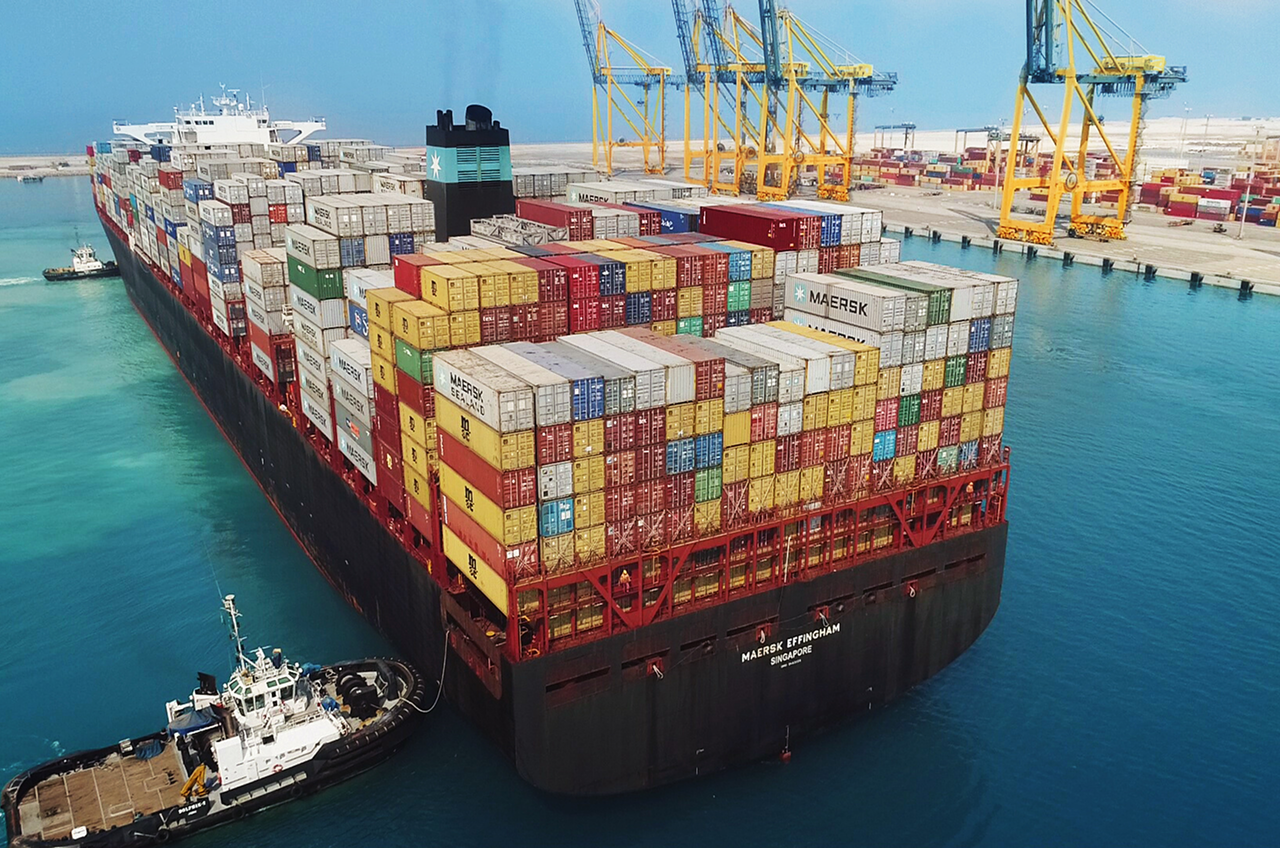
Exporting goods from Saudi Arabia to international markets presents vast business opportunities but also brings regulatory complexities. Compliance with international shipping laws and customs requirements is critical for avoiding penalties, delays, and shipment rejections. For Saudi exporters, especially in B2B sectors like industrial goods, chemicals, electronics, and food, understanding these requirements can be the difference between smooth operations and costly setbacks.
In this comprehensive guide, we explore the key aspects of international shipping compliance for Saudi exporters, including documentation, export regulations, incoterms, customs processes, and how logistics partners like Al Barrak Group simplify the export journey.
Why Compliance Matters in International Shipping
International shipping compliance refers to adhering to legal and procedural requirements involved in exporting goods from one country to another. For Saudi exporters, this includes aligning with:
- Saudi export regulations (ZATCA, SFDA, SASO)
- Import regulations of the destination country
- International shipping and logistics standards (e.g., Incoterms, packaging, labeling)
Failure to comply can lead to:
- Fines and legal sanctions
- Shipment delays or detentions
- Loss of market access
- Damage to brand reputation
With the GCC region, Europe, Asia, and Africa as key markets, Saudi businesses must stay updated and compliant across multiple jurisdictions.
Key Compliance Areas for Saudi Exporters
1. Accurate Export Documentation
Correct and complete documentation is the cornerstone of compliance. Essential documents include:
- Commercial Invoice
- Packing List
- Bill of Lading or Airway Bill
- Certificate of Origin (authenticated by the Chamber of Commerce)
- Export Permit (if required)
- SASO Certificate (Saudi Standards, Metrology and Quality Organization)
- Insurance Certificate
- Product Safety or Quality Certificates (e.g., SFDA for food/pharma)
Each document must align with both the Saudi export regulations and the importing country’s requirements.
2. Product Classification & HS Codes
Incorrect Harmonized System (HS) codes can lead to miscalculated duties or shipment rejection. Work with experienced customs brokers who ensure goods are classified correctly for both origin and destination countries.
3. Sanctions and Trade Restrictions
Exporters must confirm that their goods are not destined for sanctioned entities or countries. Saudi Arabia follows international compliance protocols in coordination with global trade bodies and allies.
Check the updated lists from:
- United Nations
- World Customs Organization
- Saudi Ministry of Foreign Affairs
4. Labeling and Packaging Compliance
Packaging must meet international safety, labeling, and handling requirements. Some key considerations include:
- Export markings (weight, dimensions, handling instructions)
- Country of origin labels
- Safety data for hazardous materials
- Bi-lingual or localized labels depending on the destination
5. Incoterms and Liability Clarity
International Commercial Terms (Incoterms) define responsibilities of buyers and sellers during shipment. Misuse or misunderstanding can cause legal disputes.
Common Incoterms for Saudi exporters:
- FOB (Free on Board)
- CIF (Cost, Insurance & Freight)
- DAP (Delivered at Place)
- EXW (Ex Works)
Consult with legal and logistics teams before finalizing any export agreement.
Understanding Export Regulations in Saudi Arabia
Saudi exporters are governed by several national agencies:
- ZATCA (Zakat, Tax and Customs Authority): Handles customs and export clearance
- SFDA: Approves food, pharmaceuticals, cosmetics exports
- SASO: Oversees conformity and quality certifications
Recent Regulatory Trends:
- E-invoicing mandates
- Digitization of export clearance
- Unified GCC customs procedures
Customs Procedures and Clearance at Saudi Ports
Ports like Dammam, Jeddah Islamic Port, and King Abdullah Port handle significant export traffic. Exporters must:
- Submit electronic customs declarations via FASAH platform
- Schedule inspections (if applicable)
- Provide harmonized documentation
- Pay duties and fees (if any)
Delays can be minimized by using customs brokers with strong port relationships and digital readiness. Al Barrak Group offers dedicated support for export clearance.
Destination Country Requirements
Each country has its own import compliance rules. Some examples:
- UAE: Requires conformity with Emirates Authority for Standardization and Metrology (ESMA)
- Europe: CE marking, REACH compliance for chemicals
- USA: FDA approval for food/pharma, customs pre-clearance
- Africa: Pre-shipment inspection (PSI) required in certain countries
It is critical to check destination-specific rules early in the planning stage.
How Al Barrak Group Helps Saudi Exporters Stay Compliant
As a leading logistics and freight forwarding company in Saudi Arabia and the GCC, Al Barrak Group simplifies the international shipping process with:
1. Expert Customs Brokerage
- HS code classification
- Documentation management
- Customs portal submission
- Real-time clearance updates
2. Export Compliance Consulting
- Regulation review for target markets
- Support in obtaining SASO, SFDA certifications
- Sanction screening
3. Multi-Modal Freight Forwarding
- Sea, air, and land freight to 50+ countries
- Cross-border coordination across the GCC
- Cold chain solutions for perishables and pharma
4. Trade Documentation Automation
- Digital document preparation
- Electronic submission to FASAH, GAC, SFDA portals
- Real-time tracking and status updates
Common Compliance Mistakes to Avoid
- Inaccurate HS codes
- Missing or expired product certificates
- Failure to label per destination norms
- Using outdated Incoterms
- Incomplete or delayed documentation submission
Case Study: Exporting Industrial Equipment to UAE
A Saudi-based machinery exporter partnered with Al Barrak Group to ship industrial equipment to Abu Dhabi. Challenges included:
- Complex machinery classification
- SFDA certification for lubricants
- Strict UAE packaging laws
Solution:
- Al Barrak’s team classified HS codes accurately, managed SASO & SFDA certification, prepared export documentation, and secured UAE customs pre-clearance.
Outcome:
- The shipment cleared in under 48 hours with zero penalties.
Preparing for Compliance in 2025 and Beyond
Trade regulations are evolving rapidly with digital trade platforms and geopolitical shifts. Saudi exporters must:
- Stay informed on export and customs changes
- Digitize documentation and records
- Partner with compliance-savvy logistics providers
Investing in export compliance not only avoids penalties, it unlocks access to global markets, enhances brand trust, and ensures smoother operations.
Conclusion
International shipping compliance for Saudi exporters requires diligence, documentation, and strategic partnerships. With growing demand for Saudi products in global markets, it is essential for exporters to understand and navigate the evolving compliance landscape.
By working with experienced partners like Al Barrak Group, exporters can ensure full adherence to regulatory standards while focusing on scaling their global reach. From documentation and customs brokerage to freight forwarding and certification support, every element plays a role in securing compliance and business growth.